Quality products
CarbonCraft, Tailored Solutions for Every Industry
Explore our diverse range of high-quality activated carbon solutions, meticulously designed to meet the specific needs of various industries.


About
CG Carbon: coconut shell-based activated carbon customized to your needs
Sourcing from the land of coconuts, Kerala, we specialize in offering coconut shell-based activated carbon, proven to deliver superior performance, is environmentally sustainable, and is used for purification of a wide range of products.
Read more

Mission
To earn customer’s trust and loyalty through CG’s superior products and services

Vision
To be the company that best understands the ever-growing demands and needs of customers worldwide

Values
We are committed to sustainability, innovation, quality, customer-centricity, integrity, collaboration, and excellence, fostering responsible practices and building lasting relationships.
Why CG Carbon
Superior activated carbon: not a product, but a promise to deliver purity
Purify beverages, biogas, chemicals, food, pharmaceutical ingredients, wastewater, flue gas, vent air, other effluents with our coconut shell-based activated carbon.

Impregnated Activated Carbon

Pelletized Activated Carbon
Our expert R&D team blends technology and innovation to create custom activated carbon products, addressing complex purification challenges across industries.

Applications
Activated carbon applications go beyond purification
High-quality activated carbon products serve as colorants, catalyst support, and as a catalyst itself. We offer activated carbon to suit your unique needs.
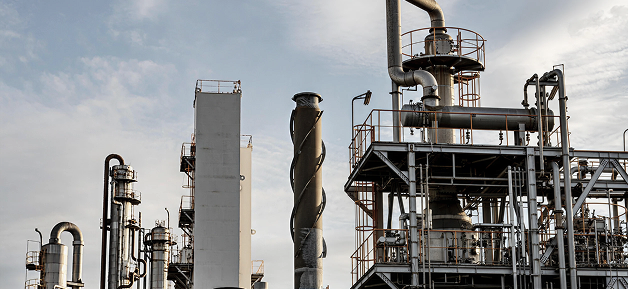
Air Treatment
Air treatment enables efficient purification of air and gases using advanced activated carbon solutions. CG Carbon delivers high-performance filtration with cutting-edge technology and superior adsorption capacity, ensuring cleaner, safer air across industrial and commercial applications.
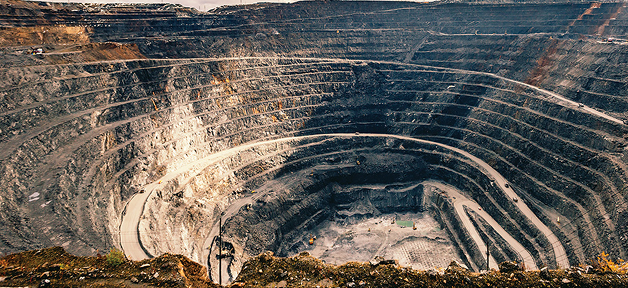
CG Gold
Gold recovery enables superior performance with high loading capacity and exceptional durability. CG Carbon offers advanced coconut shell-based activated carbon featuring excellent adsorption kinetics, minimal dust and attrition, and reliable efficiency even during prolonged use.

Oil & Gas
Oil & gas treatment enables environmentally viable purification. CG Carbon offers advanced activated carbon solutions for the oil and gas industry. Our state-of-the-art lab facilities and cutting-edge technology ensure enhanced product quality and improved operational efficiency.
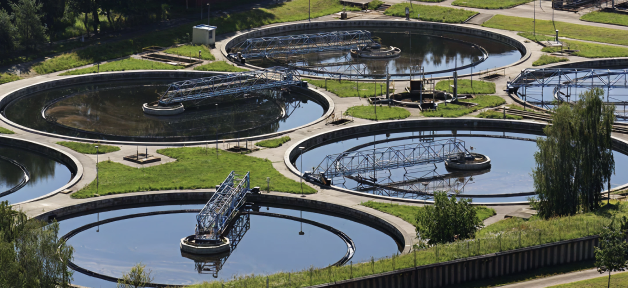
Water treatment
Hydrocarb enables to target specific contaminants, offers immediate water quality improvement, and is most cost-effective alternative for limited water quantity.
Each step forward is a step closer to cleaner world
As we expand our presence across the world, we reaffirm our commitment to sustainable development of premium quality products, serving our clients across diverse markets and industries.

USA

Europe

Middle East

Africa

UAE

India

Srilanka

Russia

Mexico

Korea

Thailand

Japan

Doing our part in building cleaner tomorrow
CG Carbon: sustainable activated carbon innovations for purer, safer environment

Hailing from the land of coconuts, CG Carbon has established itself as a trusted partner offering purpose-built coconut shell-based, industry-agnostic activated carbon for every industry. Our customer-first approach, along with unwavering commitment to environmental sustainability has aided us in delivering reliable solutions across diverse sectors.
Expert R&D Team
With extensive experience in research and development, our R&D team creates high-impact activated carbon solutions custom-built to your needs.
Advanced Technology
Our advanced lab facilities are well-equipped with the latest technology & equipments.
Sustainable Practices
All our activated carbon products are sourced from naturally available coconut shell.
Quality Certifications
We are accredited by regulatory bodies including EGAC accreditation and IAF, ensuring all products meet highest quality benchmarks.



Sustainability at CG Carbon Facilities
Sustainable practices for a better tomorrow
We are committed to reducing our environmental footprint through responsible energy and resource management practices. Our facilities are supported by a large-scale solar power system, enabling us to generate a significant portion of our energy needs from clean, renewable sources. And, we have implemented rainwater harvesting systems across our premises to sustainably manage water usage and reduce dependence on external water sources. By integrating both solar energy and rainwater harvesting into our manufacturing ecosystem, we take meaningful steps toward aligning our business with long-term environmental and sustainability goals.


Gallery & Events
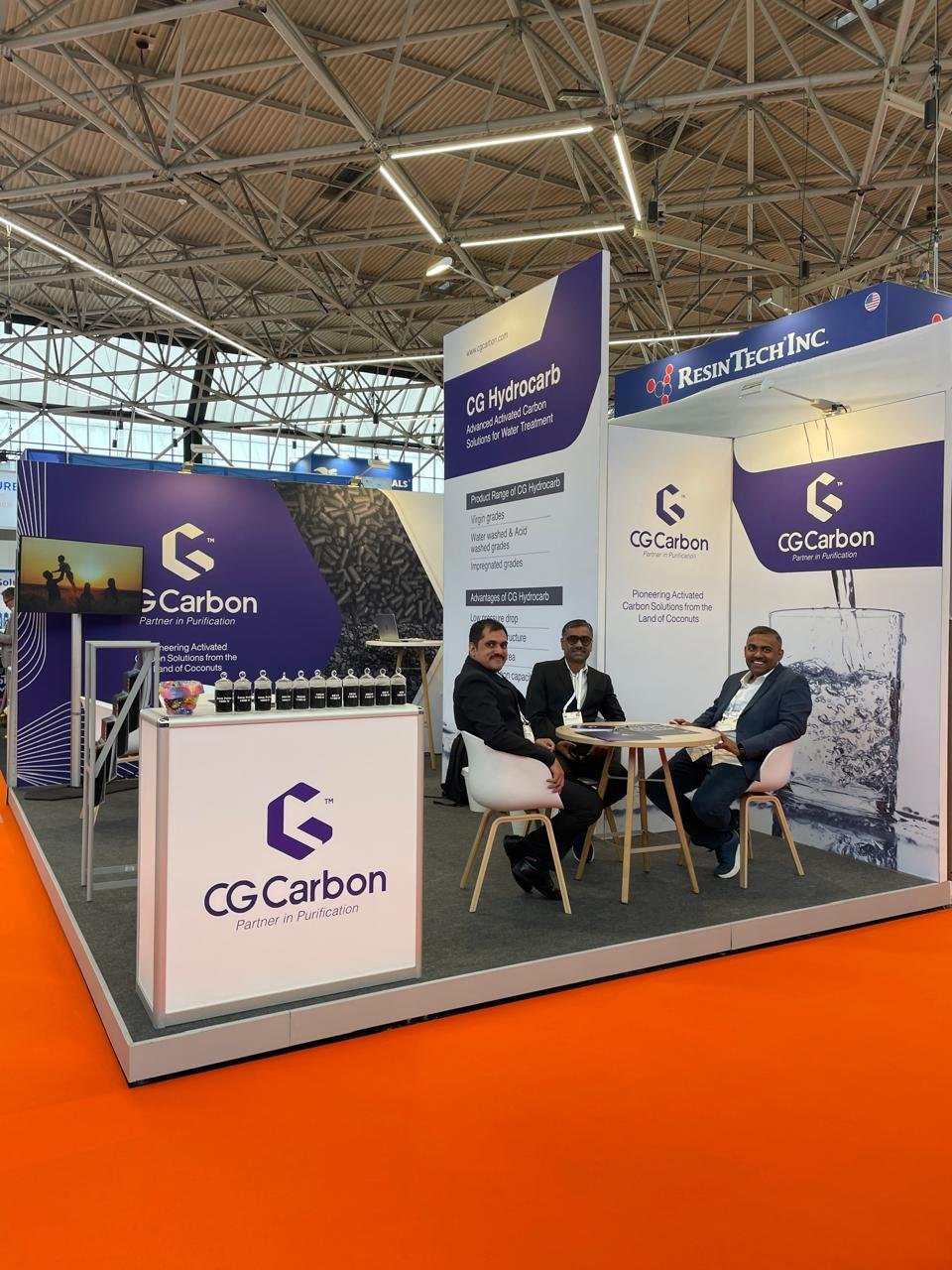
Capturing our journey: highlights from Events and Expo
News and updates
Stay informed with our news & updates
-


Industry • Uncategorized
March 7, 2025
Versatility of Coconut Shell Activated Carbon in Modern Uses
-
Uncategorized
October 25, 2026
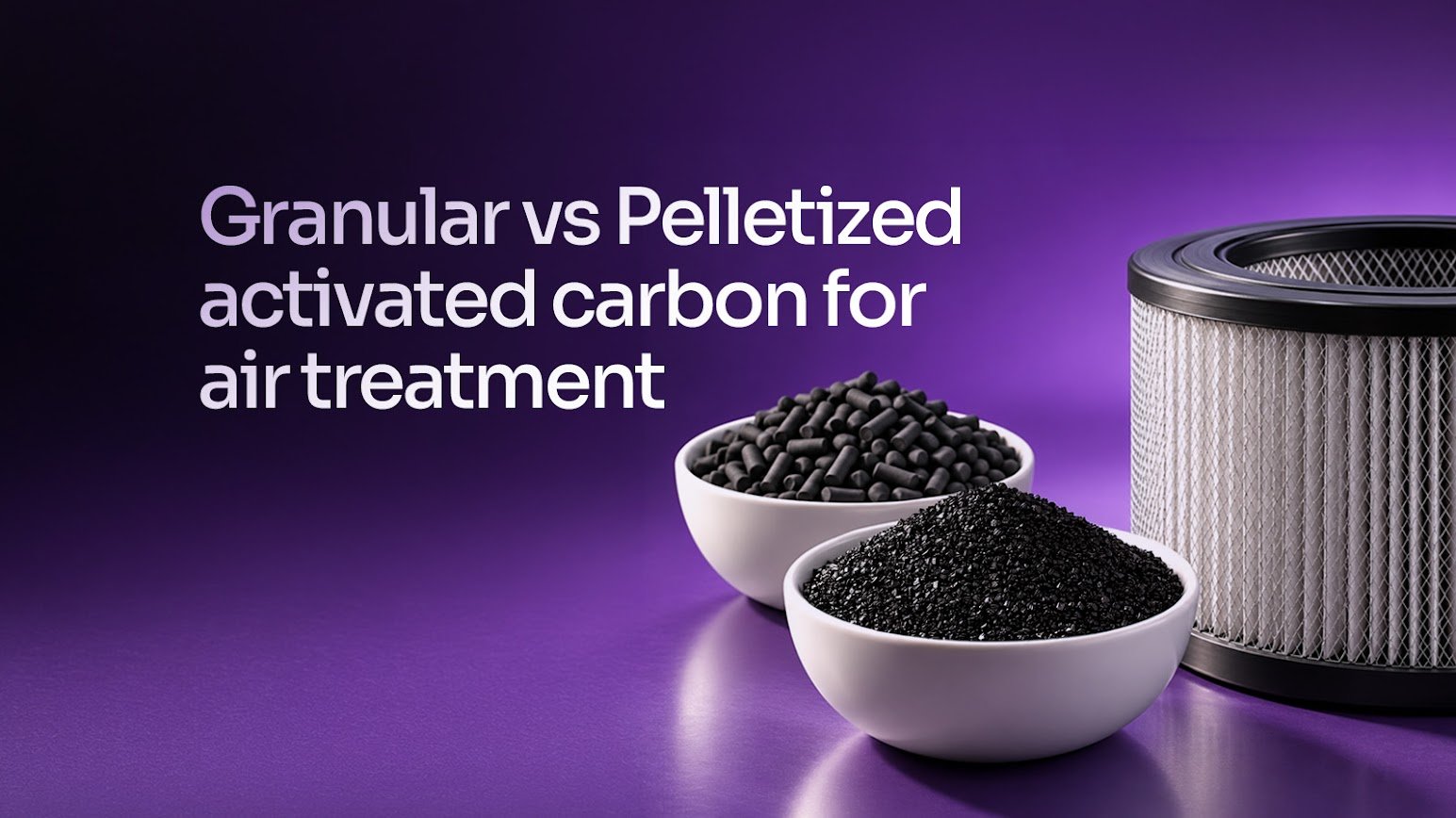
Granular vs Pelletized Activated Carbon for Air Treatment
-
Uncategorized
October 21, 2026
The Water Looks Clean. Is It Really?
-
Industry
September 24, 2026
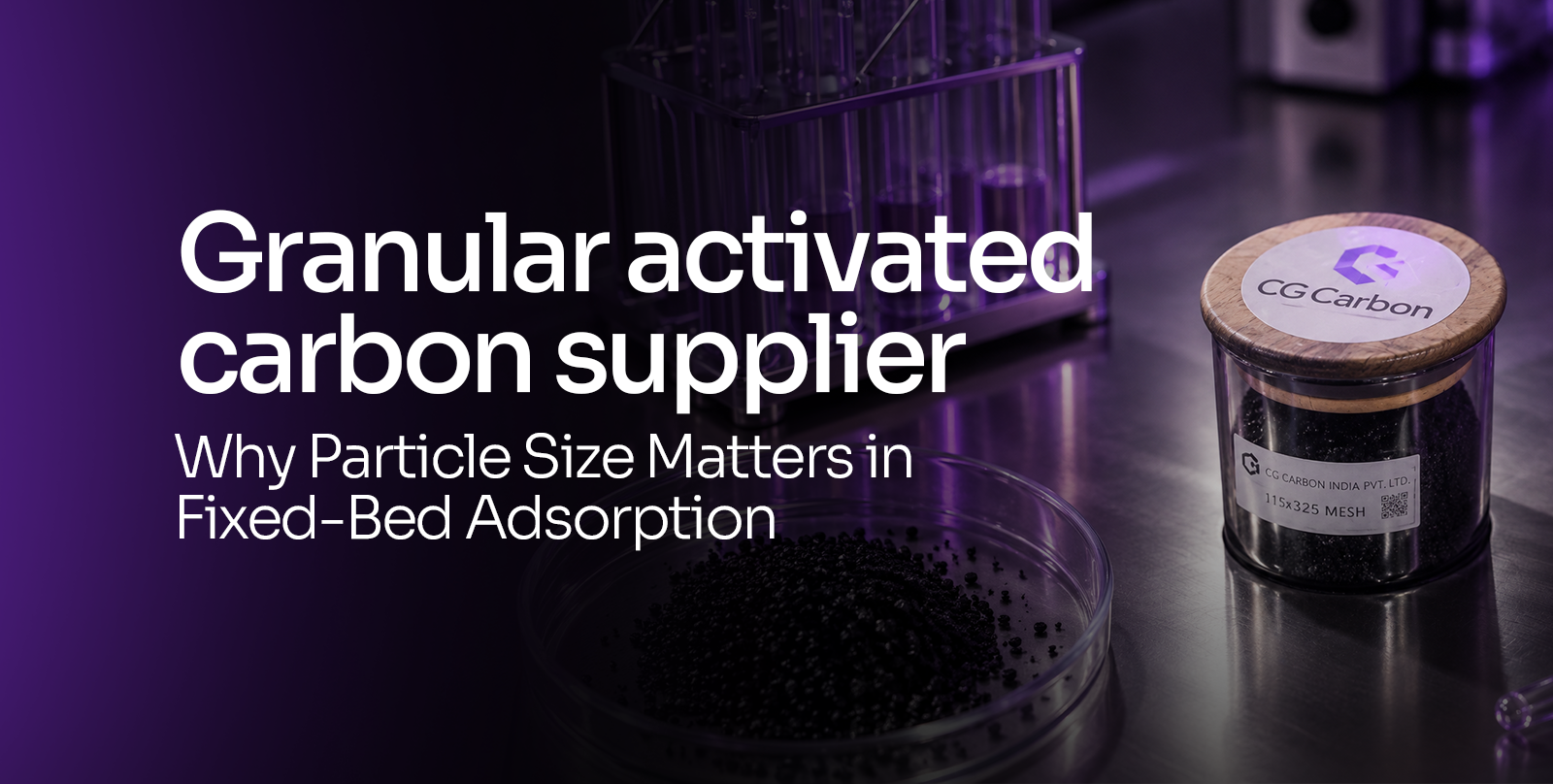
Granular Activated Carbon Supplier: Why Particle Size Matters in Fixed-Bed Adsorption
Activated carbon FAQ
Curious? Explore our FAQs
What is activated carbon?
Activated carbon is a porous, irregularly structured material with high surface area, essentially made from carbon. Being naturally derived from sources like wood, coconut shell, coal, etc, it is environmentally safe. Its surface has numerous microscopic pores of various sizes, making it the perfect solution for trapping and absorbing molecules, intoxicants, external particles, toxins, and the like. It is used extensively to remove impurities from gaseous and liquid media via a phenomenon called adsorption. The extensive internal pore network aided by the high surface area gives activated carbon high-efficiency adsorption rates.
How does activated carbon work?
Activated carbon works through a process of adsorption. The large surface area of activated carbon aided with its extensive pores will serve as a huge adsorption surface. As a contaminated fluid passes through activated carbon, the pores trap the toxins. This effective trapping mechanism removes both organic and inorganic foreign particles, including chemicals, toxins, odours, making activated carbon the perfect tool for purification and filtration. The best part? Activated carbon has zilch side-effects!
What are the types of activated carbon?
Activated carbon can come in various forms- powdered activated carbon, pelletized activated carbon, granular activated carbon.
a. Powdered activated carbon:
Powdered activated carbons or PACs have particle sizes ranging from 5 to 150 Å; coarser and finer grades are available. PACs are mainly used for liquid adsorption. They are mixed into the liquid that needs treatment, and once adsorption is over, they are removed through sedimentation and filtration. PACs are mostly used in batch processes as the amount added can be easily changed, and the powder can be easily removed. The main advantages of PACs are its low processing costs and superior operational flexibility.
b. Granular activated carbon:
Granular activated carbons or GACs are irregularly shaped particles, ranging from 0.2 mm to 5 mm, produced by milling and sieving, they are used for liquid and gaseous applications. GACs are best suited for processes involving a single product refined or continuously manufactured in large quantities. They are long-lasting than powdered activated carbons, much easier to handle, and capable of purifying large volumes of gas or liquid with consistent quality. The catch? GACs can be reactivated and reused multiple times.
c. Pelletized activated carbon:
Pelletized activated carbons, ranging from 1 mm to 5 mm in diameter, are commonly used in solvent recovery, gas purification, and automotive emission control. Being produced via extrusion process, pelletized activated carbon is durable enough to last a vehicle’s lifespan, thanks to high-volume activity, low-pressure drop, and high strength of extruded carbon.
What are the properties of activated carbon
The properties or features of activated carbon that makes it the best tool for purification are as follows:
High surface area:
Activated carbon has extremely high surface area per unit volume, ranging from 500 to 1500 m²/g. This extensive surface area is because of its highly porous structure, enabling it to adsorb significant amounts of substances relative to its size.
Pore structure:
The efficacy of activated carbon is largely dependent on its pore size distribution. Its pores can be micropores (less than 2 nm), mesopores (2-50 nm), and macropores (greater than 50 nm). This varied pore structure enables it to trap various contaminant molecules.
Adsorption capability:
Thanks to its porous texture and huge surface area, activated carbon can adsorb various organic molecules and some inorganic gases, making activated carbon highly effective in purifying liquids and gases by removing unwanted substances.
Why choose activated carbon
Activated carbon’s extensive network of pores, high efficiency in contaminant and toxin removal, and the fact that it is sourced from the most naturally available substances like coconut shell, coal, wood, etc makes it the most cost-effective, and most effective purification choice. Also, it leaves no harmful contaminants and is extremely environmentally friendly and sustainable purification technique.
Using activated carbon has several environmental benefits as well. It minimizes pollution, cleanses air and water, captures harmful toxins and pollutants, helping and aiding in creating cleaner surroundings. Furthermore, activated carbon is produced from waste materials like coconut shells, wood etc, thus reducing waste, recycling natural waste and improving sustainability.
How to select the right activated carbon for your application?
Activated carbon comes in various forms and shapes- granular, powdered, pelletized- each best suited for specific applications. You must select the best activated carbon as suited for your needs.
a. Particle size and adsorption kinetics: Particle size directly affects the flow dynamics and pressure drop across the carbon surface. Smaller particles offer larger surface area but can also cause higher pressure drops, which might be a problem for applications with flow limitations. On the other hand, adsorption kinetics, the rate at which contaminants are removed from the fluid being treated, is crucial for ensuring efficient purification. Faster kinetics are usually preferred, because it enables quicker contaminant removal, essential in applications with rapid processing times.
b. Pore size distribution and other parameters: Selecting activated carbon based on pore size distribution is critical to align carbon’s properties with specific adsorption needs. Pore sizes are divided into micropores (less than 2 nm), mesopores (2-50 nm), and macropores (over 50 nm). With its extensive surface area, microporous carbon is best suited for adsorbing small molecular contaminants like gases and volatile compounds. Mesoporous and macroporous carbons are ideal for larger molecules in liquid-phase applications, such as colors and odors.
Who are the leading activated carbon manufacturers in India?
India is home to several activated carbon manufacturers that produce high-quality products for industrial applications. Companies like CG Carbon manufacture premium coconut shell activated carbon for water treatment, air purification, gold recovery, pharmaceuticals, food processing, and other industries.
Still have questions?
Contact us with any questions or inquiries about our products and services.