Activated carbon plays a critical role in the oil and gas sector by removing contaminants such as sulfur compounds, hydrocarbons, mercury, and volatile organic compounds (VOCs). It helps improve product quality, protect processing equipment, reduce emissions, and enhance operational efficiency across refineries and natural gas processing facilities.
Amine and Glycol : Recovery
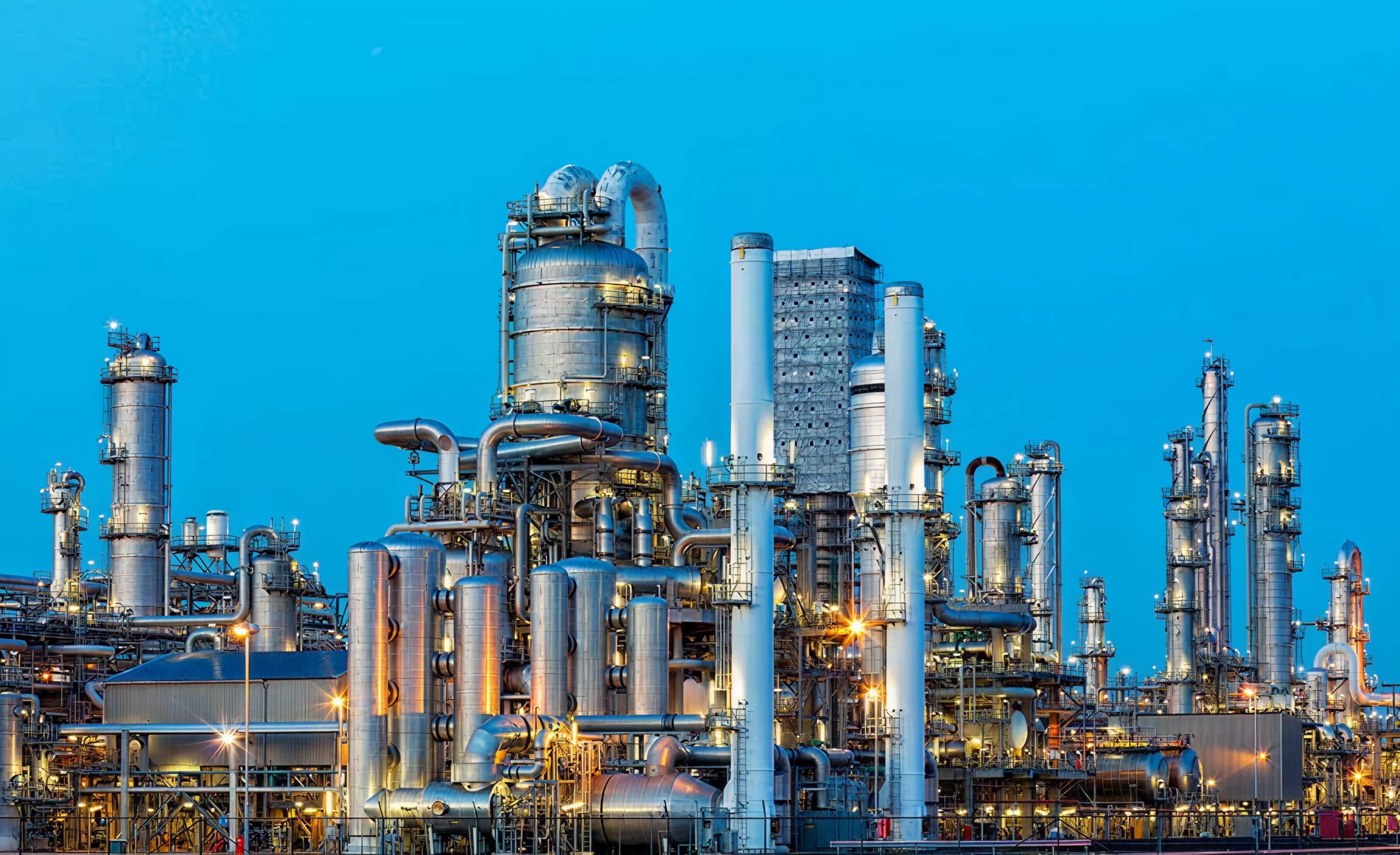
Activated carbon products extend the service life of amines in natural gas processing by efficiently removing H2S/CO2 and other degradation compounds from recirculating amine liquor. This protects the amine’s longevity and safeguards other equipment by controlling the accumulation of Heat Stable Salts (HSS). Similarly, for glycol in gas dehydration processes, activated carbon ensures optimal performance and minimizes the risk of secondary contamination.
Benefits
- Reduces solvent/absorbent degradation
- Eliminates harmful impurities from end products
- Shields process equipment from damage
- Enhances absorbent and chemical utilization
- Improves the efficiency of process operations
- Condensate Treatment
Key Features of CG’s Activated Carbon Products:
Innovative Solutions:
CG Carbon is committed to producing advanced solutions utilizing activated carbon to meet modern environmental challenges, ensuring industries remain in compliance with regulatory standards.
Commitment to R&D:
Through ongoing research and development efforts, CG Carbon aims to constantly improve the efficacy and efficiency of activated carbon products, enhancing their performance in flue gas applications.
Condensate Treatment
In the petrochemical and power generation sectors, recycling steam condensate as boilerfeedwater is a common practice that boosts plant economics and provides a readily available source of heated water. Activated carbon plays a crucial role in purifying this recycled condensate, which accumulates organic and inorganic contaminants. Plants can effectively manage these contaminants by employing activated carbon in conjunction with ion exchange resins, ensuring the smooth operation of boilers and turbines.
HPNA Removal
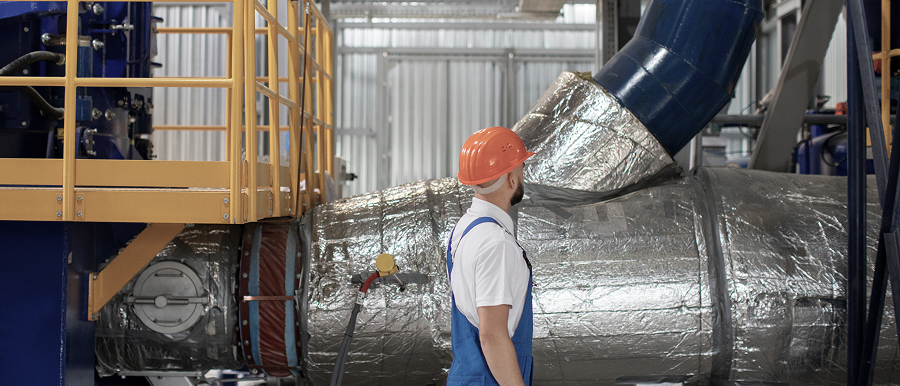
Heavy polynuclear aromatics (HPNA), byproducts of the hydrocracking process, can lead to fouling and catalyst deactivation. Activated carbon products are specifically designed to tackle these challenging compounds, preventing buildup and ensuring the continued high quality of production.
Applications
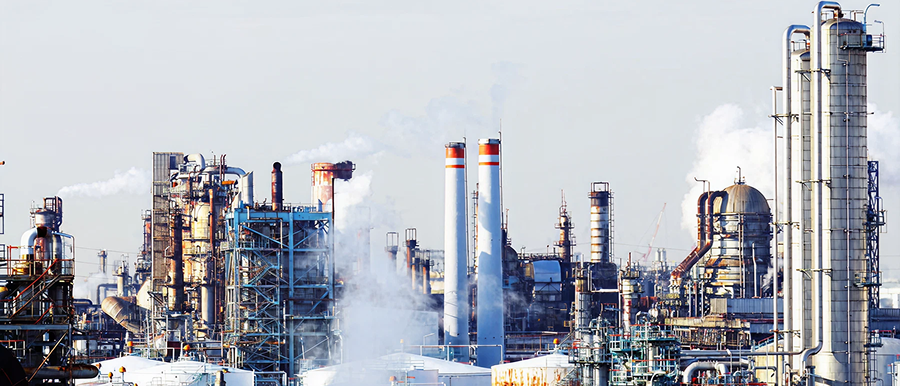
- Gas scrubbing: Improve amine solution quality, reduce corrosion, and increase plant efficiency.
- Mercury removal: Protect the environment and equipment from harmful mercury.
- Field condensate purification: Increase condensate value and reduce transportation costs.
- Pressure swing adsorption: Efficient gas separation with high working capacity.
- Hydrocarbon sweetening: Effective catalyst carrier for mercaptan removal.
- Steam condensates: Protect boiler systems and improve condensate quality.
- Gas & air purification: Remove harmful and odorous components.
- Vapour recovery: Efficient hydrocarbon vapour recovery with long service life.
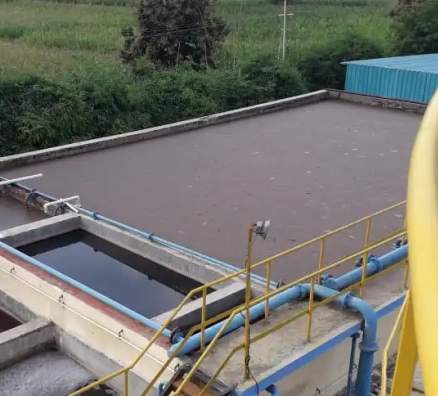
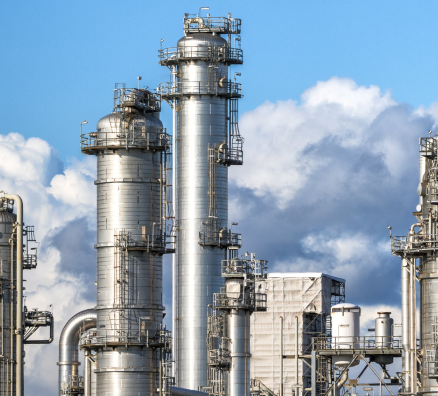
Products sizes

CGC 4*8 Size
Download Data SheetUSS Mesh

CGC 8*30 Size
Download Data SheetUSS Mesh

CGC 12*30 Size
Download Data SheetUSS Mesh

CGC 12*40 Size
Download Data SheetUSS Mesh

CGC 3mm Size
Download Data SheetPellets

CGC 4mm Size
Download Data SheetPellets
Request a Custom Size!
PRODUCT PACKAGING
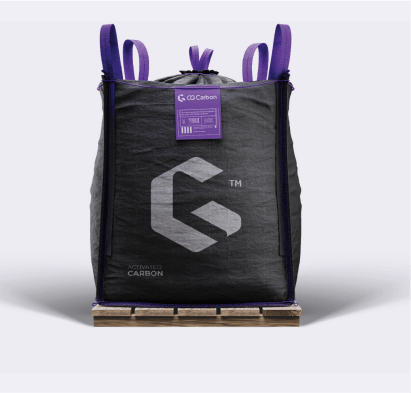
500 kg bulk bag (1100 lb)
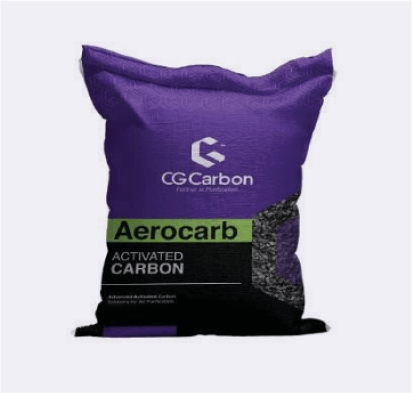
25 kg bag (55 lb)
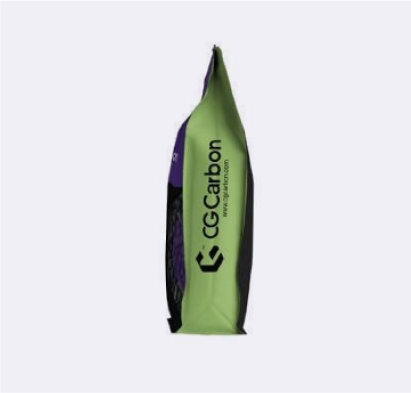
25 kg bag (55 lb)
500 kg bulk bag (1100 lb)
Why is Activated Carbon for Oil & Gas Industry important in industrial processing?
What are the key applications of activated carbon in the oil and gas sector?
Activated carbon is commonly used for natural gas purification, hydrocarbon recovery, mercury removal, VOC control, solvent recovery, and wastewater treatment. These applications help industries maintain cleaner processes, improve product quality, and comply with environmental regulations.
Why is coconut shell activated carbon preferred for industrial filtration?
Coconut shell activated carbon offers high adsorption capacity, excellent mechanical strength, low ash content, and a long service life. These properties make it highly effective for demanding industrial environments where consistent filtration performance and durability are essential.
Why choose CG Carbon for industrial activated carbon solutions?
CG Carbon manufactures premium coconut shell activated carbon using advanced production technology and strict quality control processes. We provide customized solutions, reliable bulk supply, and global export support for industries seeking high-performance filtration products with consistent quality and dependable technical assistance.
What contaminants can activated carbon remove in oil and gas processing?
Activated carbon can help remove targeted contaminants such as sulfur compounds, hydrocarbons, mercury, volatile organic compounds (VOCs), and other impurities. It can improve process efficiency, protect equipment, support product quality, and help reduce emissions.
What are the main applications of activated carbon in the oil and gas industry?
It is used for natural gas purification, mercury removal, hydrocarbon vapor recovery, gas scrubbing, hydrocarbon sweetening, condensate purification, VOC control, and steam condensate treatment.
Still have questions?
Contact us with any questions or inquiries about our products and services.