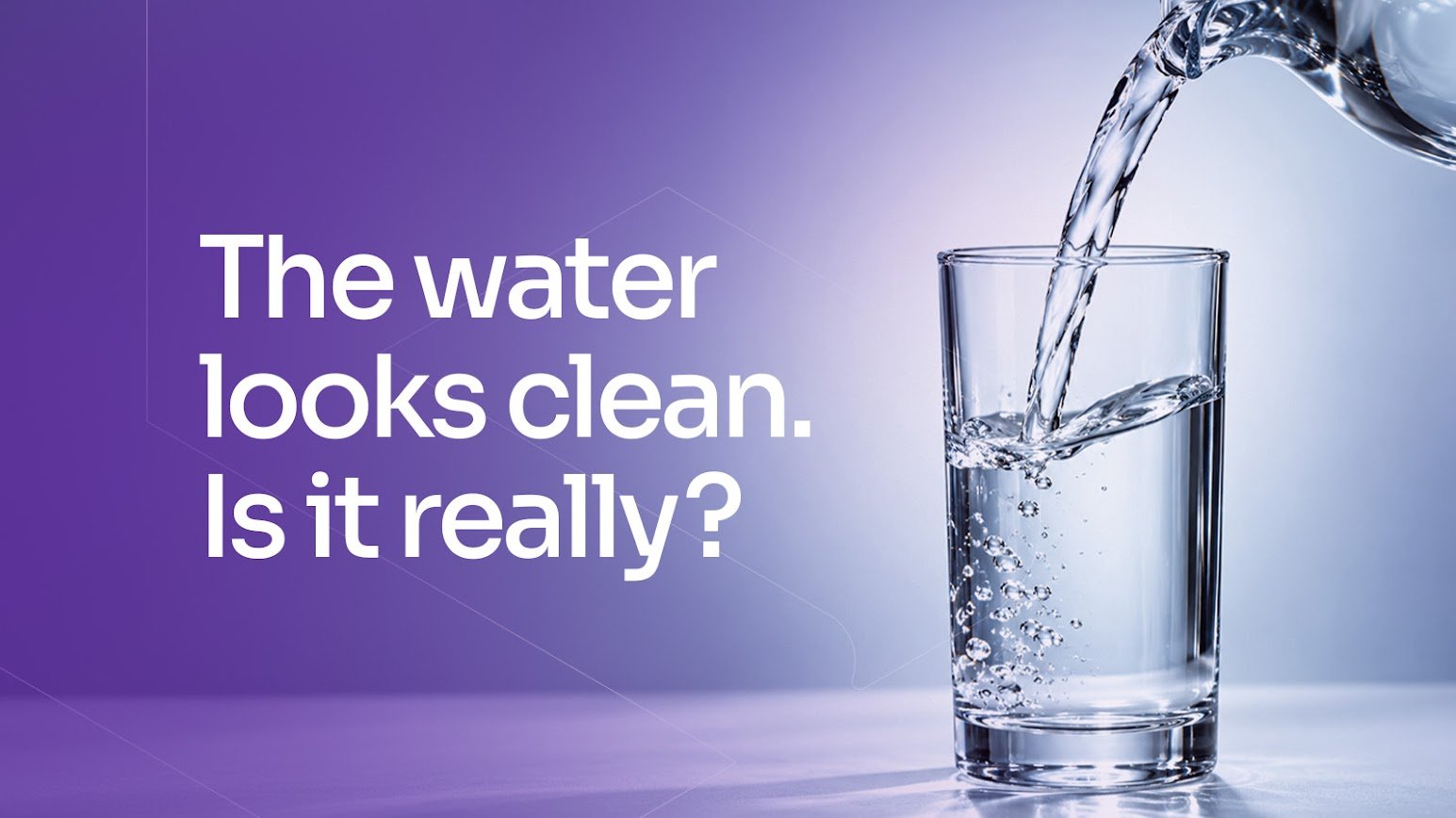
The Water Looks Clean. Is It Really?
Water can appear clear, carry no noticeable odour, and still contain substances that require treatment. For industries that depend on consistent water quality, appearance alone offers little assurance. The real challenge lies in identifying what remains in the water and selecting the right treatment process to address it.
This is where Activated Carbon for Water Treatment becomes an important part of industrial purification. Through adsorption, activated carbon can capture selected contaminants that conventional treatment stages may not adequately remove. However, its effectiveness depends on more than simply adding carbon to a treatment system. Understanding the water chemistry, target contaminants, and operating requirements is essential to achieving the intended result.
What Happens Beyond Visible Water Quality?
Industrial water may contain dissolved organic compounds, residual chlorine, taste and odour-causing substances, and other contaminants. Their presence depends on the source water, industrial activity, and upstream treatment processes.
Some contaminants affect the water’s suitability for manufacturing. Others may interfere with downstream processes or compromise the quality requirements of the final product.
Conventional treatment methods address specific challenges, such as suspended solids, microbial risks, or dissolved substances. However, no single treatment method addresses every contaminant.
Activated carbon offers a different mechanism. Its porous structure provides an extensive internal surface where suitable molecules can attach. This process, known as adsorption, allows certain contaminants to be captured as water passes through the carbon bed.
The key is understanding which substances the carbon needs to remove. Without that distinction, selecting a carbon product based solely on general performance claims can lead to unsuitable treatment decisions.
Why Carbon Selection Matters More Than You Think
Not all activated carbon performs identically. Raw material, pore structure, particle size, hardness, and surface characteristics influence how a particular grade behaves in a given application.
Activated Carbon for Water Treatment must therefore be selected according to the contaminants involved and the conditions under which the system operates.
For example, a water stream containing organic compounds presents different adsorption requirements from one that primarily needs dechlorination. Similarly, the presence of competing organic substances can influence how effectively target contaminants occupy available adsorption sites.
Water chemistry also matters. Changes in pH, temperature, and contaminant concentration may affect adsorption performance, depending on the substances involved.
This is why a grade suitable for one industrial facility may not deliver the same results in another. The objective is not to find a universal carbon, but to identify a material suited to the intended purification requirement.
The Role of CG Carbon in Industrial Water Treatment
CG Carbon manufactures activated carbon from coconut shell charcoal using steam activation. This production approach develops the porous structure required for adsorption without relying on chemical activation.
For water-treatment applications, the suitability of a particular carbon grade depends on the contaminants to be addressed and the treatment system’s requirements.
Coconut shell-based activated carbon is valued for its hardness and microporous structure. These properties can be relevant in applications involving selected dissolved organic contaminants and other substances that the carbon grade is designed to adsorb.
CG Carbon’s role is to recommend suitable activated carbon based on the intended application and relevant technical requirements. This helps industrial buyers make informed product-selection decisions rather than relying on broad claims about carbon performance.
However, the carbon itself is only one part of the treatment process. Effective application also depends on appropriate system design, operating conditions, and monitoring. Product selection should complement these factors, not replace them.
What Determines Treatment Performance Over Time?
Even a suitable carbon grade needs to operate under appropriate conditions. Several factors influence its performance throughout service.
Contaminant loading: Higher concentrations or larger volumes of target substances can increase the rate at which adsorption capacity is consumed.
Competing substances: Other compounds in the water may occupy adsorption sites, reducing the capacity available for specific contaminants.
Contact conditions: The interaction between water and carbon depends on factors such as flow distribution, particle size, and contact time. Poor distribution can limit the effective use of the carbon bed.
Pre-treatment: Removing suspended solids and addressing other relevant water-quality issues can help protect the carbon bed and support consistent operation.
Monitoring and replacement: Changes in outlet-water quality can indicate that treatment performance needs attention. Monitoring should follow the requirements of the application and the contaminants being controlled.
Importantly, activated carbon is not a universal solution for every water-quality problem. Dissolved salts, many inorganic substances, and microorganisms may require other treatment technologies or additional treatment stages. The complete process must match the water-quality objective.
Making Better Decisions About Water Purification
Choosing Activated Carbon for Water Treatment starts with a clear understanding of the problem. Industries should identify their target contaminants, assess incoming water quality, establish the required outlet-water standards, and evaluate how the carbon will fit into the existing treatment process.
These steps help narrow the selection to grades suited to the actual application. They also create a more practical basis for evaluating performance, planning maintenance, and managing carbon consumption.
For industrial facilities, the goal is not simply to install a filtration material. It is to maintain the water quality required for consistent operations.
Conclusion
Water that looks clean may still require carefully targeted purification. Effective treatment begins with understanding the contaminants present and selecting technologies suited to their removal.
Activated Carbon for Water Treatment can play a valuable role in this process when the carbon grade matches the application and operating conditions are properly managed.
With its steam-activated, coconut shell-based carbon, CG Carbon supports industrial water-treatment requirements through application-focused product selection. The right starting point is always the same: understand the water, identify the treatment objective, and choose the carbon accordingly.
Frequently Asked Questions
- What contaminants can activated carbon remove from water?
Activated carbon can adsorb selected dissolved organic compounds, chlorine, and substances responsible for unpleasant taste and odour. Its effectiveness depends on the carbon grade and water chemistry.
- How do you choose the right activated carbon for water treatment?
Selection depends on the target contaminants, water quality, particle size, adsorption properties, and operating conditions. The chosen grade should match the specific treatment requirements.
- How does CG Carbon support industrial water treatment?
CG Carbon manufactures steam-activated, coconut shell-based activated carbon and recommends suitable grades based on the intended application and relevant technical requirements.